Master the Art of Dog Training: Proven Techniques for a Well-Behaved Pooch Friend
Dog training is a nuanced process that needs an understanding of canine habits. Effective interaction is crucial for developing count on and setting borders. Lots of proprietors neglect the significance of socialization and basic commands, which lay the foundation for a mannerly dog. Favorable reinforcement plays an essential function in this journey. Challenges frequently emerge. Exploring tried and tested methods can lead to a much deeper connection in between owner and dog. What might those strategies involve?
Understanding Canine Actions
Comprehending canine actions is crucial for efficient dog training (Board and Train Freeport Florida). Canines connect through body movement, articulations, and various actions, making it essential for trainers to translate these signals properly. For instance, a wagging tail might indicate enjoyment, while a lowered head can indicate submission or worry. Acknowledging these cues aids fitness instructors address issues and promote a positive knowing setting. Furthermore, recognizing the dog's reactions and natural propensities, such as their pack mentality, enhances the training process. Pets flourish on regular and uniformity, so establishing clear limits and expectations is essential. By understanding these behavioral qualities, instructors can create tailored approaches that resonate with the private dog's needs, ultimately bring about a more harmonious relationship between the dog and its owner
The Relevance of Socialization
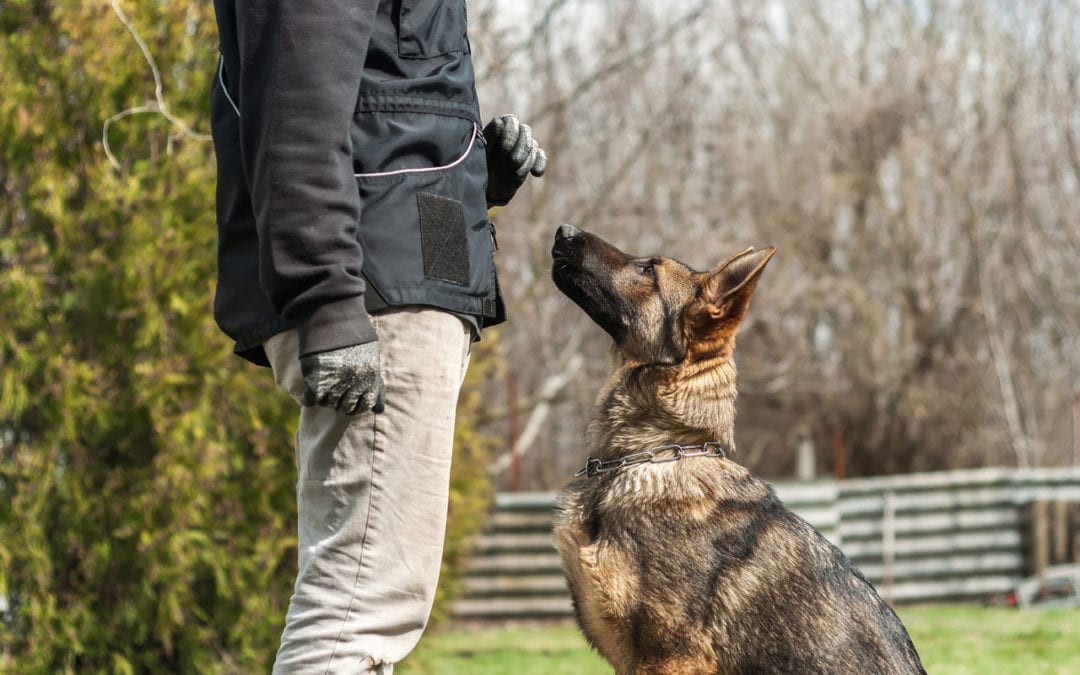
Socializing functions as a keystone of effective dog training, influencing a pet dog's behavior and adaptability in different environments. Via direct exposure to different people, animals, and setups, canines find out to develop and browse social interactions self-confidence. This process reduces the chance of fear-based reactions, aggressiveness, and stress and anxiety, fostering a well-adjusted pet dog. Early socialization, preferably throughout the important developmental duration, is essential for shaping a pet's personality and feedbacks to new experiences. Taking part in favorable experiences aids canines link unfamiliar circumstances with convenience and safety, advertising tranquil actions. Furthermore, well-socialized pet dogs are frequently extra pleasurable friends, as they are much more most likely to react positively in public areas. Ultimately, proper socializing lays the structure for a happy, mannerly canine friend.
Fundamental Commands Every Dog Must Know
A well-socialized dog advantages considerably from mastering standard commands, which are basic to reliable communication in between animal and owner. Essential commands include "rest," "remain," "come," "down," and "leave it." Each command serves a specific function, helping in safety and security and control. For example, "sit" can stop getting on visitors, while "remain" maintains a pet in position, guaranteeing they do not stray right into threat. The command "come" is crucial for recall, allowing owners to call their dog back securely. "Down" urges calmness, and "leave it" prevents unwanted behaviors, such as scavenging. Consistent technique of these commands cultivates a strong bond and good understanding, eventually causing a mannerly canine friend that enhances the overall pet-owner partnership.
Favorable Reinforcement Techniques
Favorable reinforcement strategies play an important duty in efficient dog training. By utilizing rewards and deals with, instructors can urge preferred habits, while remote control training uses an exact method for noting those actions. Uniformity in applying these techniques guarantees that dogs discover and retain commands extra properly.
Benefits and Deals with
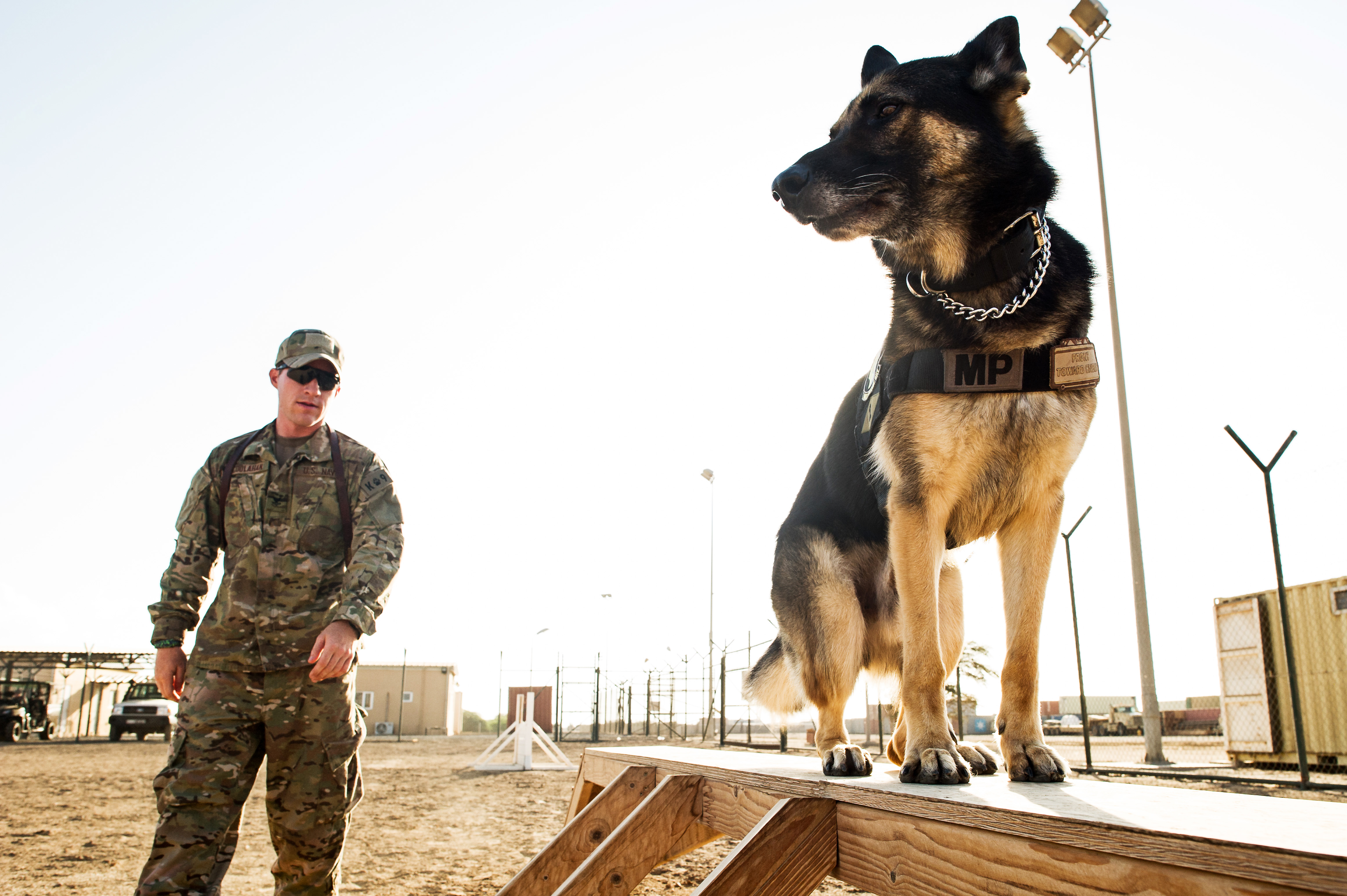
While many dog owners look for effective training methods, using rewards and treats as positive support methods has actually proven to be among one of the most effective strategies. By offering treats, praise, or other rewards, owners can encourage desired behaviors in their canine companions. This method takes advantage of on the dog's all-natural instinct to seek satisfaction and approval. Timing is necessary; incentives should be given right away after the preferred actions to develop a clear organization. Selection in deals with can additionally preserve a pet dog's passion and inspiration during training sessions. Making use of incentives cultivates a favorable bond between the dog and owner, making finding out satisfying. Generally, integrating incentives and treats efficiently can lead to a mannerly and delighted dog.
Remote Control Training Advantages

Consistency Is Trick
Uniformity plays an essential role in the effectiveness of positive support techniques in dog training. When trainers apply rewards, such as deals with or praise, reliably after wanted habits, dogs promptly discover to associate these activities with positive results. This association reinforces their motivation to duplicate those habits. Irregular reinforcement, on the various other hand, can confuse pets, causing uncertainty concerning what actions generate rewards. To develop clear communication, fitness instructors should anonymous utilize the very same commands and cues continually. Additionally, enhancing behaviors quickly after they happen boosts understanding and retention. In time, this foreseeable pattern fosters count on and a more powerful bond between the dog and fitness instructor, ultimately causing a well-behaved canine friend. Consistency is, hence, fundamental to effective dog training.
Uniformity Is Key
When educating a canine, keeping a constant approach is necessary for achieving efficient results. Pet dogs thrive on routine and clearness, which helps them comprehend assumptions and preferred actions. A trainer needs to develop clear commands and stick to them, making certain that every family participant makes use of the same terms and signals. Furthermore, modifications and incentives ought to be used evenly; disparities can puzzle the dog, bring about disappointment for both the owner and the pet dog. By setting a foreseeable training timetable and adhering to it, progress can be determined much more accurately. Inevitably, consistency fosters trust fund and enhances the bond between the dog and trainer, creating a strong structure for a mannerly canine companion.
Taking Care Of Typical Behavioral Issues
Exactly how can dog owners effectively resolve common behavioral problems that occur throughout training? Identifying the source of habits such as barking, eating, or jumping is essential. Owners ought to observe their dog's contexts and triggers to better comprehend these actions. Ideal and regular support methods, such as favorable support, can help redirect unwanted behaviors. Additionally, setting clear borders and making use of commands consistently cultivates understanding. When a canine barks exceedingly, owners can train them to respond to a "silent" command. Patience is essential; behavior change takes time. When issues persist, looking for professional assistance from a fitness instructor may additionally be useful. Inevitably, dealing with behavioral issues early can cause an extra unified connection in between dog and proprietor.
Building a Strong Bond Via Training

Training may commonly be checked out as a method to remedy behavior, it likewise serves as a powerful chance for dog owners to create a much deeper like this connection with their pet dogs. Involving in consistent training sessions fosters depend on and interaction in between the dog and proprietor. As canines discover brand-new commands and skills, they gain self-confidence, while proprietors learn to comprehend their animal's distinct character and demands. Positive support strategies, such as treats and praise, boost this bond, encouraging pets to connect training with pleasurable experiences. With normal interaction throughout training, both proprietor and dog create a common regard and understanding, reinforcing their check my blog partnership. Eventually, this strong bond not just leads to a mannerly canine companion but additionally enriches the overall friendship shared.
Regularly Asked Inquiries
How much time Does It Take to Train a Pet Dog Efficiently?
Training a pet dog successfully generally takes a number of weeks to months, depending upon the dog's age, breed, and the intricacy of the preferred habits. Consistency, persistence, and favorable reinforcement play essential functions in the training procedure.
Can I Train an Older Dog or Just Puppies?
Yes, older dogs can be trained simply as properly as pups. While they may call for different strategies and persistence, with consistent method and positive support, older pet dogs can discover new behaviors and commands.
What Should I Do if My Dog Refuses to React?
If a pet dog rejects to react, the proprietor must analyze the setting for disturbances, utilize favorable support, assurance constant commands, and consider the dog's health and wellness and training background, looking for expert aid if required.
Exist Details Breeds That Are Easier to Train?
Specific breeds, such as Border Collies, Poodles, and Labrador Retrievers, are often considered easier to train due to their knowledge and determination to please. Regular methods and positive reinforcement boost training success across all types.
How Do I Choose the Right Training Tools and Devices?
Picking the best training devices and devices involves assessing the dog's training, dimension, and temperament objectives. Researching different options, seeking suggestions, and taking into consideration the dog's convenience and safety and security are essential action in making a notified decision.
Socialization offers as a foundation of reliable dog training, affecting a canine's habits and versatility in various settings. Quality in interaction improves the performance of dog training, and remote control training exhibits this principle with its structured method. Training might usually be checked out as a method to correct actions, it likewise serves as an effective opportunity for dog proprietors to create a deeper link with their pets. Training a pet properly usually takes several weeks to months, depending on the dog's age, breed, and the intricacy of the preferred actions. Picking the appropriate training tools and tools entails assessing the dog's training, size, and character objectives.